

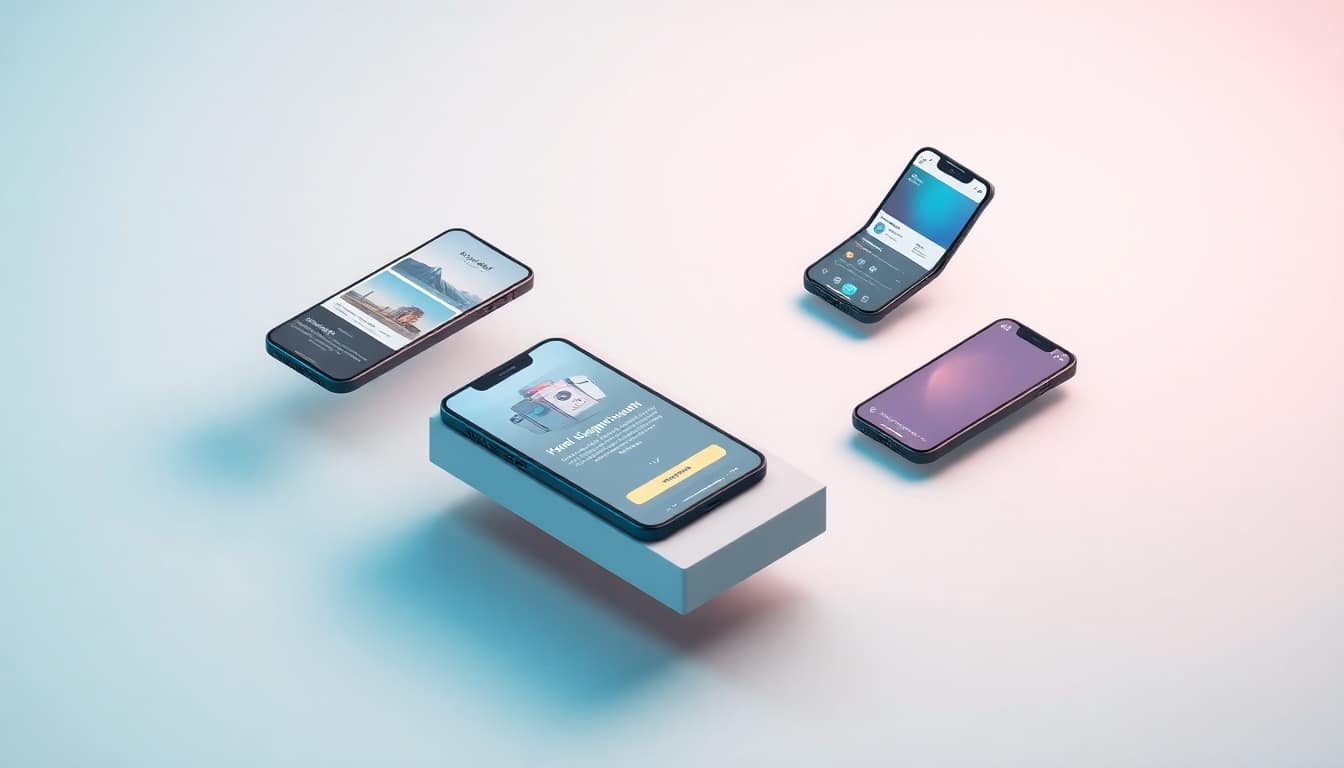
Responsive Web Design Bangalore: Drive Leads or Die Trying
Let’s cut the BS. If your website isn’t responsive, especially for Bangalore’s mobile-first crowd, you’re leaving money on the table. Businesses needing a serious edge are turning to responsive web design bangalore solutions. It’s not just about looking good on any device; it’s about conversions, leads, and ultimately, growth.
Consider that the vast majority of internet users in Bangalore access websites via their mobile devices. A website that doesn’t adapt smoothly across different screen sizes creates a terrible user experience. A bad experience equals lost opportunities. This isn’t rocket science; it’s just smart business.
So, is your website an asset or a liability? Let’s find out.
Why Responsive Web Design in Bangalore Is Non-Negotiable
In a city as dynamic and tech-savvy as Bangalore, your website is often the first impression you make. And first impressions, as they say, are everything. But here’s the kicker: it’s not enough to just *have* a website. It needs to be *responsive*. Meaning, it adapts flawlessly to any screen size – from the latest iPhones to ancient desktops running Windows XP (yes, they still exist!).
Think about it: users are browsing on the go, during commutes, and in coffee shops. If your site is clunky, slow to load, or requires excessive pinching and zooming, they’re gone. Poof. To your competitor.
Here’s what responsive design actually *does* for your business:
- Enhanced User Experience (UX): A seamless experience across devices keeps users engaged.
- Improved SEO: Google prioritizes mobile-friendly sites. Responsive design is a key ranking factor.
- Higher Conversion Rates: A smooth, easy-to-navigate site encourages users to take action (e.g., contact you, make a purchase).
- Reduced Bounce Rate: People stay longer on sites that are easy to use.
- Cost-Effective: One responsive website is cheaper to maintain than separate desktop and mobile versions.
Beyond the Hype: Real Benefits of Mobile-First Website Design
Everyone’s screaming “mobile-first” these days, but few actually understand what it means. It’s not just a trend; it’s a fundamental shift in how websites should be designed and developed.
Mobile-first design prioritizes the mobile experience. You start by creating the best possible version of your website for the smallest screen, and then progressively enhance it for larger screens. This approach forces you to focus on the essential content and functionality, eliminating the clutter that often plagues desktop-centric designs.
This approach has some very clear upsides:
- Faster Loading Times: Optimizing for mobile often results in faster loading times, which is crucial for both user experience and SEO.
- Better Accessibility: Mobile-first designs tend to be more accessible, as they prioritize clear navigation and readable content.
- Improved Conversion Rates: A streamlined mobile experience leads to higher conversion rates, as users can easily find what they’re looking for and take action.
“Thinking your website is ‘good enough’ on mobile is like saying your parachute is ‘good enough’ – you’ll probably survive, but it won’t be pretty. Responsive web design in Bangalore isn’t a luxury; it’s the parachute that saves your business from plummeting in the search rankings.”
— Abdul Vasi, Founder – SeekNext
Getting Started with Responsive Website Development: Key Considerations
Okay, you’re convinced. Now what? Implementing responsive web design isn’t just about slapping on a few media queries. It requires careful planning and execution. You need a clear understanding of your target audience, your business goals, and the latest web development technologies.
Here’s a checklist to get you started on your responsive website development journey:
- Define Your Target Audience: Who are you trying to reach? What devices are they using? What are their needs and expectations?
- Conduct a Mobile Audit: Analyze your existing website’s performance on mobile devices. Identify areas for improvement.
- Choose the Right Technology: Select a responsive framework (e.g., Bootstrap, Foundation) or a CMS (e.g., WordPress) with built-in responsive capabilities.
- Prioritize Content: Focus on delivering the most important content and functionality on mobile devices.
- Optimize Images: Use compressed images to reduce loading times.
- Test, Test, Test: Thoroughly test your website on different devices and browsers.
Don’t underestimate the power of a good content management system (CMS). WordPress, for example, offers a plethora of responsive themes and plugins that can simplify the process. However, remember that even with a CMS, you’ll likely need a skilled developer to customize the design and ensure optimal performance.
Frequently Asked Questions about responsive web design bangalore
Frequently Asked Questions
Q: What does responsive web design mean?
Responsive web design is an approach to web development that ensures a website adapts to fit different screen sizes and devices, providing an optimal viewing experience for users regardless of their device.
Q: How much does responsive web design in Bangalore cost?
The cost of responsive web design varies widely depending on the complexity of the project, the size of your website, and the experience of the development team. It can range from a few thousand rupees for a simple site to several lakhs for a complex e-commerce platform.
Q: How long does it take to build a responsive website?
The timeline for building a responsive website also depends on the project’s complexity. A simple site might take a few weeks, while a larger, more complex site could take several months.
Q: What are the benefits of responsive web design for SEO?
Responsive design improves SEO by providing a better user experience, reducing bounce rates, and consolidating your website’s URLs. Google favors mobile-friendly sites, and responsive design signals to Google that your site is optimized for mobile.
Q: Can I make my existing website responsive?
Yes, it’s often possible to make an existing website responsive. This process, known as responsive retrofitting, involves modifying the website’s code and design to adapt to different screen sizes. However, in some cases, a complete redesign may be necessary for optimal results.
So, where does this leave us? If you’re not prioritizing responsive web design for your Bangalore business, you’re essentially ignoring a huge segment of potential customers. This isn’t just about keeping up with the times; it’s about survival.
The key is understanding your audience and their online behavior. If mobile is where they’re at, then your website needs to be there too – optimized, responsive, and ready to convert. Otherwise, you’re just throwing money away.
SeekNext can help you make the leap. We specialize in crafting responsive, mobile-first websites that not only look great but also drive leads and boost your bottom line. Let’s talk about how we can transform your online presence with cutting edge responsive web design bangalore strategies.
Ready to Transform Your Digital Strategy?
Let’s discuss how SeekNext can help your business grow. 25+ years of experience, one conversation away.
